
Introduction
Wheat farming tires play a critical role in improving efficiency, traction, and soil protection in modern agriculture.
Wheat farming demands high efficiency, consistent traction, and minimal soil disturbance. One of the most critical yet often overlooked components in achieving these goals is the selection of agricultural tires.
The right tire not only improves operational performance but also reduces soil compaction, enhances fuel efficiency, and extends machine lifespan.
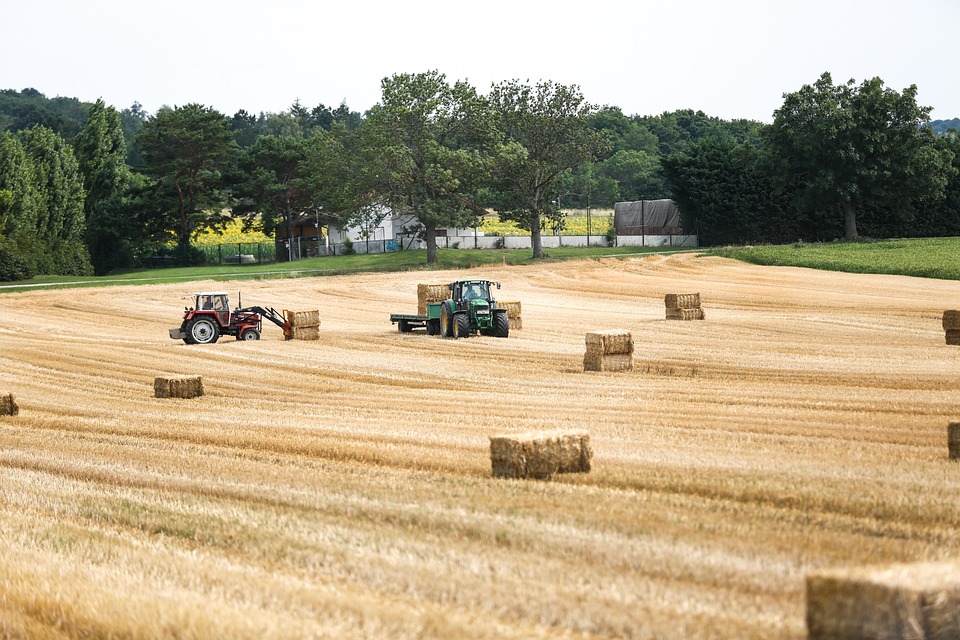
Why Tire Selection Matters in Wheat Farming
In modern wheat production, field conditions can vary significantly—from soft, moist soil during planting seasons to dry and compact surfaces during harvesting.
High-quality wheat farming tires ensure better traction and reduce slippage in challenging field conditions.
According to
FAO, efficient farming practices are essential for sustainable agriculture development.
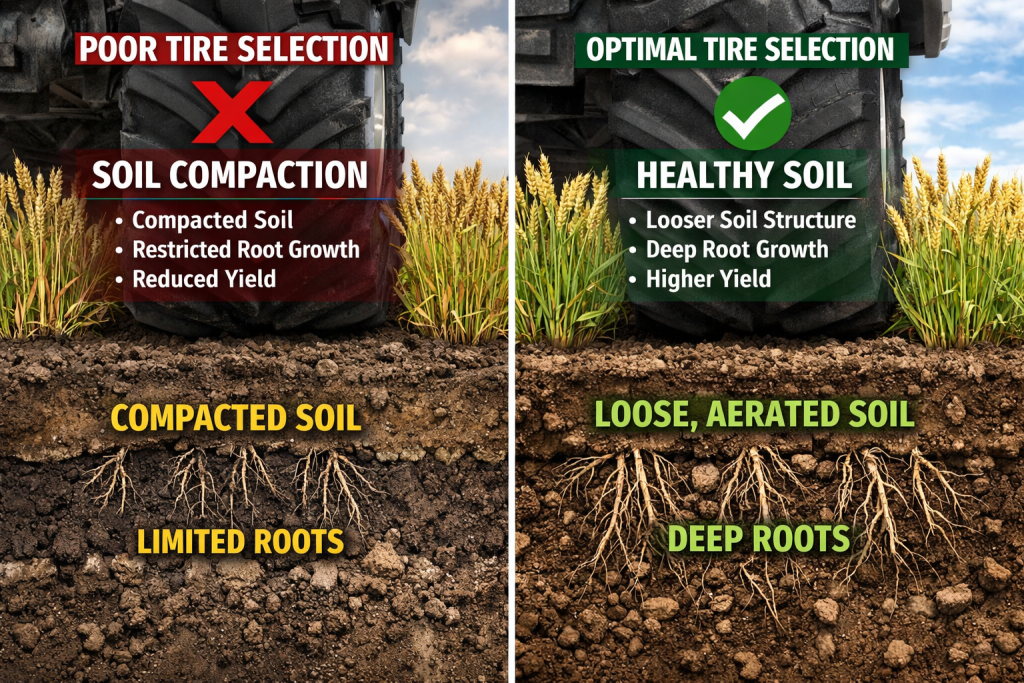
Improper tire selection can lead to:
· Faster tire wear and downtime
· Increased soil compaction affecting root development
· Reduced traction and higher slip rates
· Excessive fuel consumption
Recommended Tire Solutions for Wheat Farming
For modern wheat farming operations, selecting the right tire is essential for performance and efficiency.
UNIGLORY offers a range of high-performance wheat farming tires including SMARTAGRO 65, 70, and 85 series, designed to meet different load and field requirements.
SMARTAGRO 65 – Balanced performance for general farming applications
SMARTAGRO 70 – Enhanced stability and load capacity
SMARTAGRO 85 – Heavy-duty solution for demanding field conditions
These wheat farming tires provide excellent traction, durability, and soil protection across various agricultural operations.
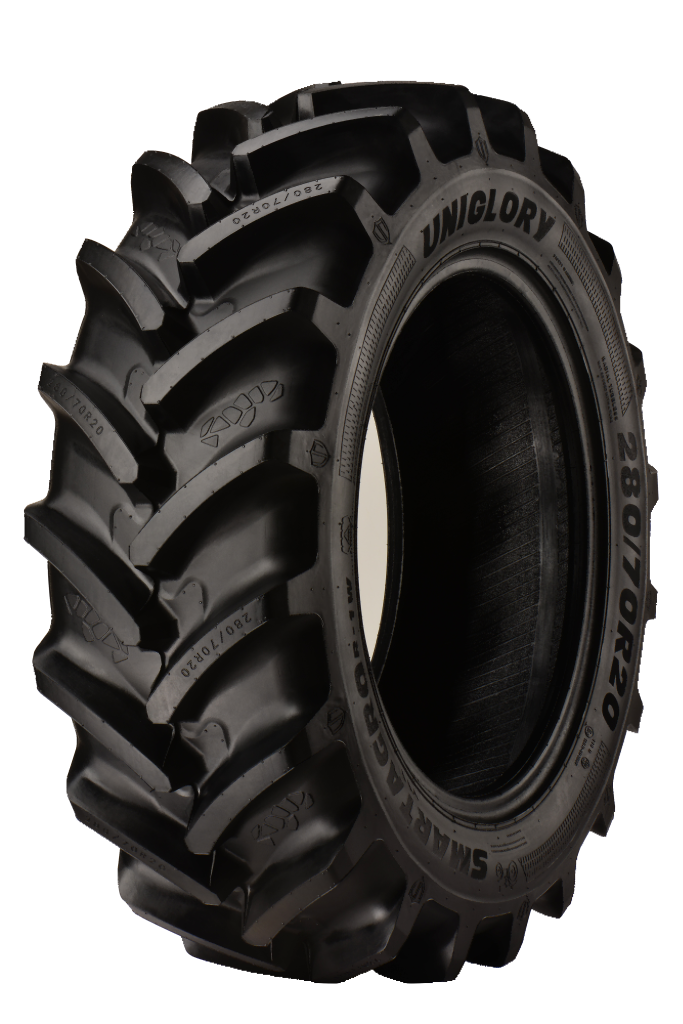
Best Wheat Farming Tires for Modern Agriculture
Choosing durable wheat farming tires can significantly improve long-term farming efficiency.
When selecting tires, several technical parameters must be evaluated:
1. Traction Performance
Deep and optimized tread patterns improve grip, especially in loose or wet soil conditions.
2. Load Capacity
Modern farming equipment requires tires that can handle heavy loads without deformation or performance loss.
3. Durability and Wear Resistance
High-quality rubber compounds and reinforced carcass structures extend service life under harsh field conditions.
4. Soil Protection
Advanced tire designs distribute pressure more evenly, reducing soil compaction and preserving long-term field productivity.
Tire Maintenance Best Practices
Even the best agricultural tires require proper maintenance to ensure optimal performance:
· Maintain correct inflation pressure based on load and field conditions
· Regularly inspect for cuts, cracks, and uneven wear
· Avoid overloading equipment beyond tire specifications
· Clean tires after operation to prevent material buildup
· Proper maintenance significantly extends tire lifespan and reduces operational costs.
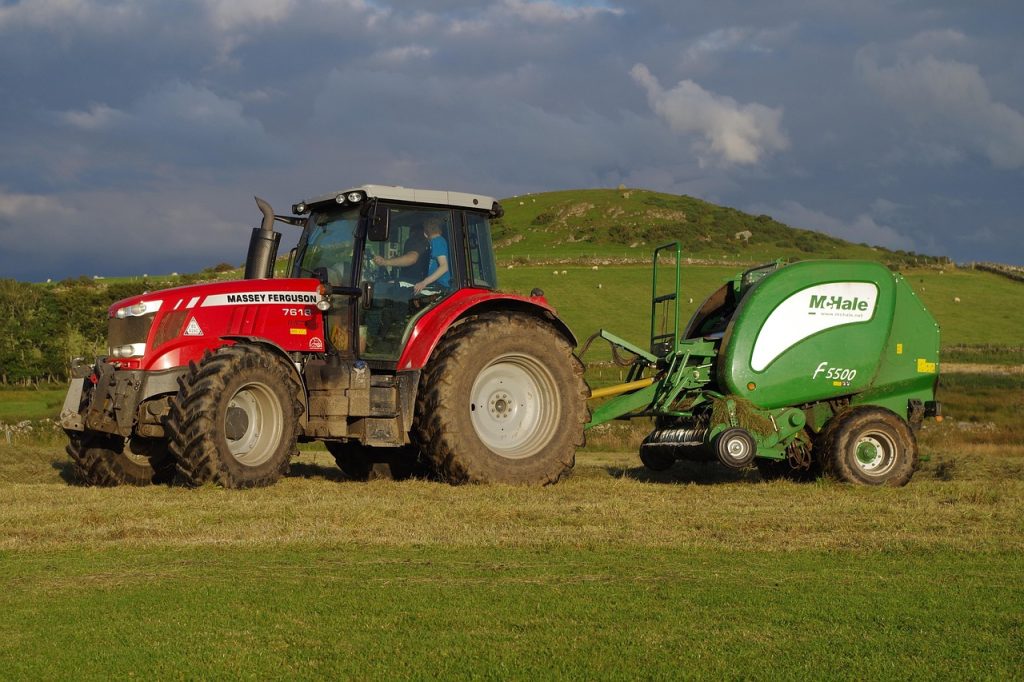
Field Conditions and Tire Performance in Wheat Farming
Different field conditions require different tire performance characteristics. In wet and soft soil, wheat farming tires must provide strong traction while preventing excessive slippage. In dry and compact soil, tires need to maintain stability and reduce vibration during operation.
Seasonal changes also impact tire performance. During planting, lower ground pressure is essential to protect soil structure. During harvesting, tires must support heavier loads while maintaining efficiency.
Choosing wheat farming tires that can adapt to varying field environments ensures consistent performance throughout the entire farming cycle.
The Role of Tire Design in Fuel Efficiency
Fuel efficiency is a key concern in modern agriculture. High-quality wheat farming tires can significantly reduce rolling resistance, allowing machinery to operate more efficiently.
Optimized tread patterns and proper tire inflation help minimize energy loss, resulting in lower fuel consumption and reduced operational costs. Over time, this contributes to better profitability for large-scale farming operations.
Future Trends in Agricultural Tire Technology
As agriculture continues to evolve, wheat farming tires are becoming more advanced. Innovations such as IF (Increased Flexion) and VF (Very High Flexion) technologies allow tires to carry heavier loads at lower pressure.
These technologies help reduce soil compaction while improving traction and durability. In the future, smart tire monitoring systems may also become more common, allowing farmers to track tire performance in real time.
Investing in advanced wheat farming tires ensures long-term efficiency and sustainability in modern agriculture.
Conclusion
Wheat farming tires are essential for improving efficiency, reducing soil compaction, and ensuring long-term productivity.
Investing in reliable wheat farming tires is key to sustainable agriculture.
Explore more high-performance agricultural tire solutions at UNIGLORY to support your farming operations worldwide.