
Climate variability is reshaping agricultural decisions. For farmers and equipment operators, preparing for changing field conditions also means taking a closer look at tire selection, inflation pressure, and field traffic management.
As the 2026–27 El Niño season develops, farmers in different parts of the world are watching how rainfall patterns may affect planting, field access, and machinery operations.
El Niño is a natural climate phenomenon associated with changes in tropical Pacific Ocean temperatures and atmospheric circulation. Its influence on rainfall varies considerably by region and season. Some agricultural areas may experience wetter-than-usual conditions, while others may face reduced rainfall or prolonged dry periods.
For agricultural machinery, these differences matter. Soil moisture influences how effectively tires transfer power to the ground, how easily equipment moves through fields, and how much pressure is placed on the soil.
Understanding El Niño’s Potential Influence on Agricultural Regions
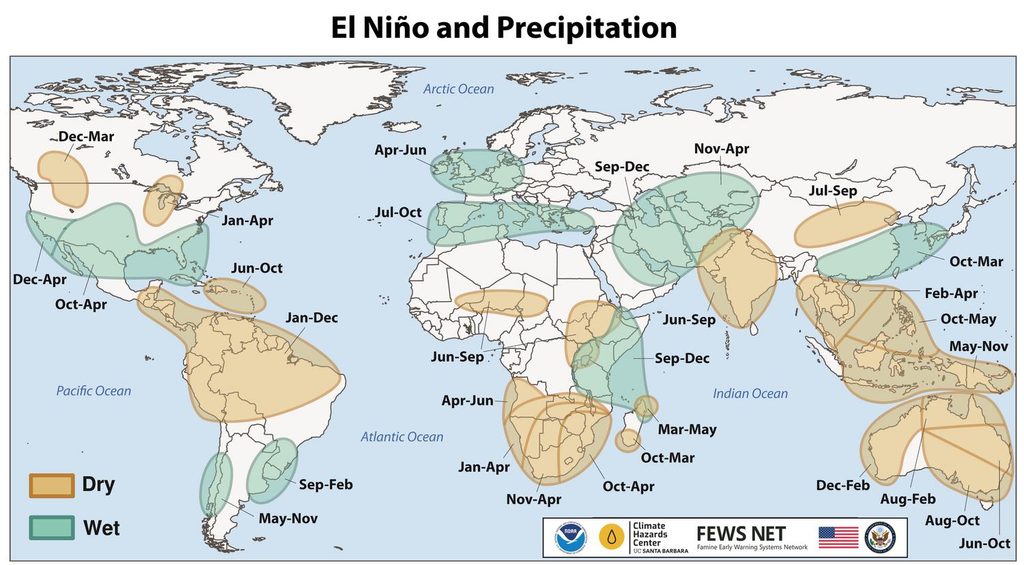
Figure 1. Historical rainfall patterns associated with El Niño events.
Source: GEOGLAM Crop Monitor / Global Crop Monitor, November 2026. This figure illustrates historical relationships between El Niño and precipitation, not a specific rainfall forecast for 2026–27. Original map credits and applicable reuse-license information should be retained when publishing.
Historical climate patterns can provide useful context, but they are not a substitute for local weather forecasts. The timing, intensity, and geographical distribution of rainfall can differ from one El Niño event to another.
For farmers, the practical question is not simply whether El Niño will bring more or less rain. It is how changing soil conditions may affect machinery performance during critical operations.
1. Wet Fields: Traction, Slippage, and Soil Compaction
After prolonged rainfall, soil may become saturated and lose some of its ability to support heavy agricultural equipment.
Under these conditions, tractors and other machines can encounter several challenges:
- Increased wheel slip and reduced traction.
- Deeper wheel ruts and greater difficulty moving through the field.
- Higher risk of soil compaction, particularly when heavy equipment operates on wet soil.
- Delays to planting, spraying, and harvesting schedules.
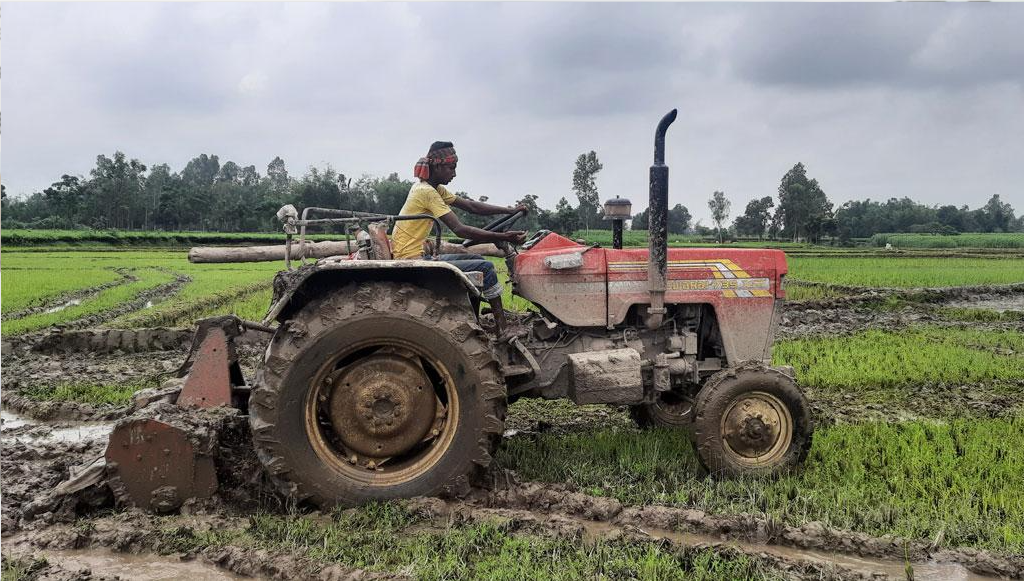
Figure 2. Agricultural field operations under wet soil conditions. Photo: [photographer’s name] / Wikimedia Commons.
Tire selection can help operators manage these challenges, but it cannot eliminate the risks associated with unsuitable field conditions.
Tread design, tire construction, load capacity, and inflation pressure all influence how a tire interacts with the ground. Equally important is knowing when soil conditions are too wet for machinery traffic.
Reducing unnecessary field passes and avoiding operations on highly saturated soil remain essential parts of responsible field management.
For more on this subject, read our related article: Agricultural Tires and Soil Compaction.
2. Dry Fields: Maintaining Traction and Operational Efficiency
In areas experiencing below-normal rainfall, agricultural machinery may face a different set of challenges.
Dry, firm soil can increase resistance during certain field operations, while loose or sandy surfaces may make it harder to maintain traction.
The performance of an agricultural tire depends on more than tread depth alone. Soil type, moisture level, axle load, operating speed, and tire inflation pressure all affect the result.
For operators working across different fields or seasons, selecting tires according to the actual application is more useful than relying on a single solution for every condition.
3. Three Factors to Consider When Selecting Agricultural Tires
Match tire capacity to equipment load
Agricultural machines operate under different load conditions depending on the equipment, attachments, and task.
Tires should be selected according to the machine manufacturer’s requirements and the tire manufacturer’s approved load and speed ratings.
An unsuitable load configuration can affect tire performance and service life, regardless of weather conditions.
Check inflation pressure for the actual application
Inflation pressure plays an important role in the way an agricultural tire carries its load and interacts with the soil.
Excessive inflation pressure for a particular operating condition may reduce the tire’s contact area, while insufficient pressure can lead to excessive tire deflection and potential damage.
The appropriate pressure should always be determined using the tire manufacturer’s load–inflation information, taking into account actual load, operating speed, and field or road use.
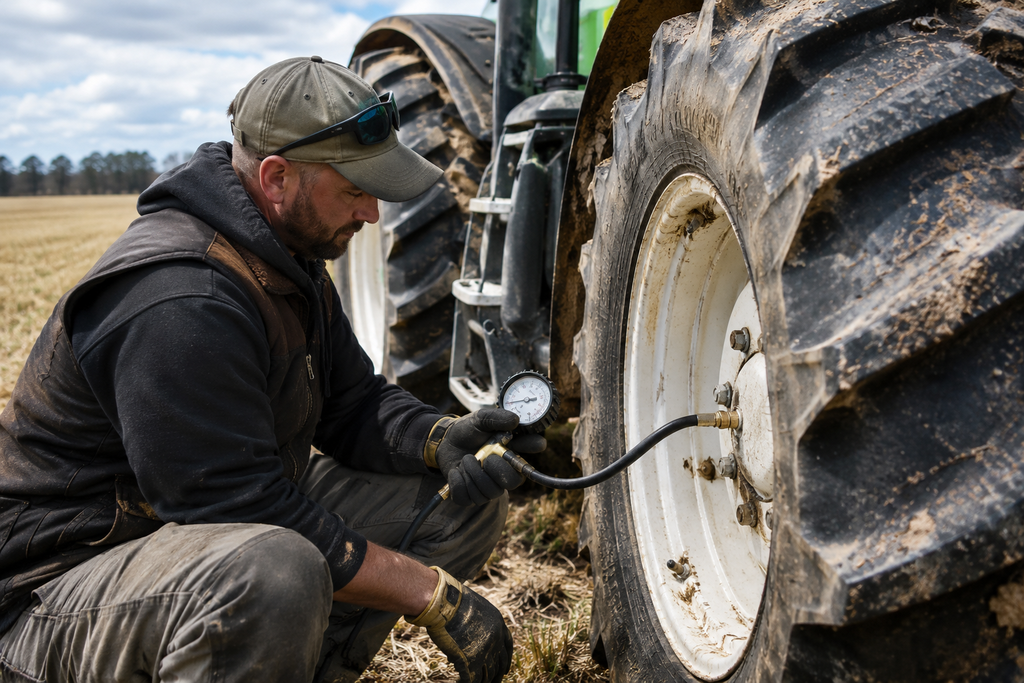
Figure 3. Illustrative image of agricultural tire inflation-pressure inspection (AI-generated). This image does not document an actual UNIGLORY field inspection or a verified product configuration.
Consider tire construction and tread design
Radial agricultural tires and different tread configurations are designed to meet varying operational requirements.
For example, R1W-type tread designs are commonly associated with agricultural applications where traction and soil interaction are important considerations.
However, suitability depends on the complete tire specification and operating environment. Tread designation alone does not establish a tire’s performance under every soil condition.
Where IF or VF tire technology is being considered, operators should also confirm the specific tire’s approved load, speed, and inflation-pressure requirements rather than assuming that all radial tires offer the same capabilities.
4. South America’s Planting Season: A Practical Example
The timing of the 2026–27 El Niño period is particularly relevant to agricultural regions in the Southern Hemisphere.
In parts of South America, seasonal rainfall can influence planting progress, field preparation, and the availability of suitable machinery operating windows.
For farmers preparing for soybean, corn, and other crop operations, changing rainfall patterns may require greater flexibility in machinery scheduling.
Wet fields can limit access, while drier conditions may change soil resistance and traction requirements.
This makes regular field assessment, equipment preparation, and correct tire maintenance especially valuable during the planting season.
5. UNIGLORY Agricultural Tire Solutions
Agricultural tire selection should begin with the machine, the application, and the conditions in which the equipment operates.
UNIGLORY offers agricultural tire solutions for a range of farming applications, including the SMARTAGRO R1W range.
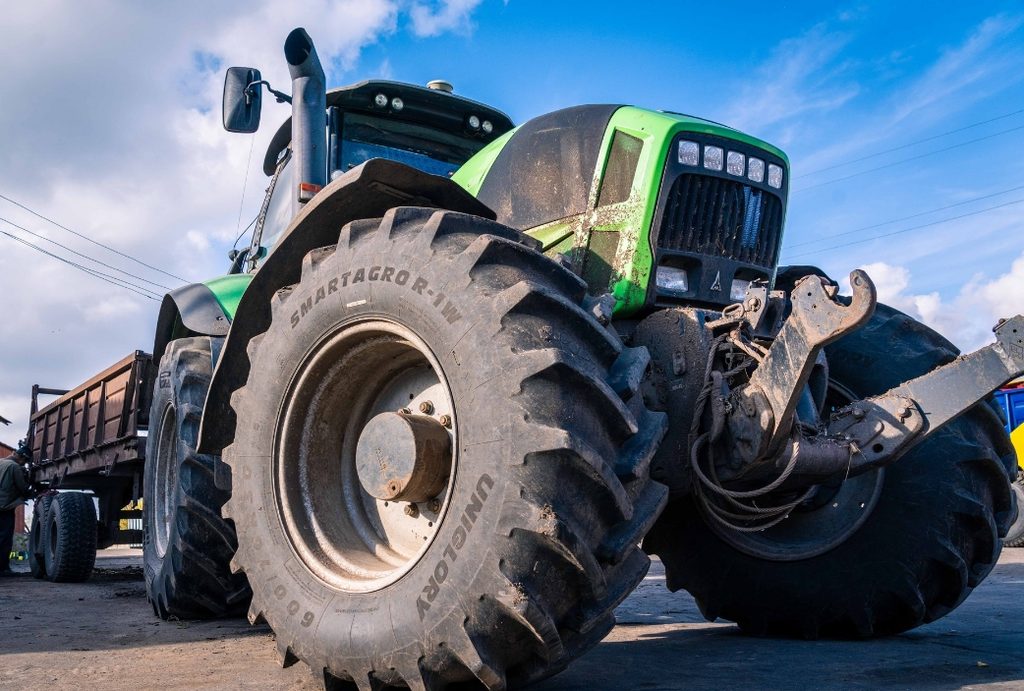
Figure 4. UNIGLORY SMARTAGRO R1W agricultural tires in a field application. Source: UNIGLORY customer field photography. Use the exact tire model and size in the caption only after confirming them against the original installation record.
When evaluating a tire, operators and distributors should consider the required tire size, load capacity, speed rating, construction, tread design, and recommended inflation pressure.
A suitable combination helps support consistent machinery operation while taking the field environment into account.
For detailed product information, contact the UNIGLORY team or consult the relevant product specifications.
6. Practical Preparation for Changing Field Conditions
Regardless of whether the coming season brings wetter or drier conditions, several practices remain important:
- Monitor local forecasts and assess actual field moisture before operations.
- Check tire condition and inflation pressure regularly.
- Confirm that tire load and speed ratings match the equipment and task.
- Avoid unnecessary traffic on saturated soil.
- Review machinery and tire requirements when changing applications or operating conditions.
These measures cannot prevent climate-related disruption, but they can help farmers make more informed operational decisions.
Часто задаваемые вопросы
Does El Niño always cause wetter agricultural fields?
No. El Niño’s rainfall influence differs by location and season. Historical patterns indicate potential tendencies, but local forecasts are needed to assess actual conditions.
Can agricultural tires prevent soil compaction?
No tire can completely prevent soil compaction. Appropriate tire selection, inflation pressure, axle-load management, and avoiding traffic on excessively wet soil can all contribute to reducing compaction risk.
Should tractor tire pressure be lowered when fields are wet?
Not automatically. Inflation pressure must remain within the tire manufacturer’s approved operating limits and be matched to actual load and speed. Lowering pressure without checking the specifications may damage the tire or compromise safe operation.
Is an R1W tire suitable for every wet field?
No. R1W is a tread classification, not a guarantee of performance in every wet or muddy condition. The correct choice depends on the specific tire, machine, soil, and application.
Preparing for Uncertainty
El Niño is one of several factors that can influence agricultural conditions. Its effects will not be identical across regions, crops, or individual farms.
For agricultural equipment operators, preparation means understanding local field conditions, maintaining equipment properly, and choosing tires based on real operating requirements.
The right tire is not simply the one designed for a particular season. It is the one matched to the work, the machine, and the ground beneath it.
References and Further Reading
- NOAA Climate Prediction Center — ENSO Diagnostic Discussion: https://www.cpc.ncep.noaa.gov/products/analysis_monitoring/enso_advisory/ensodisc.shtml
- GEOGLAM Crop Monitor — Global Crop Monitor: https://www.cropmonitor.org/global-crop-monitor
- UNIGLORY — Agricultural Tires and Soil Compaction: https://www.uniglorytire.com/agricultural-tires-soil-compaction/
Editorial note: Climate-related observations and forecasts are subject to change. Readers should consult the latest official meteorological information for their region.